
By Guest writers Natalie Rich and Karina Windolf with Dr Gai Lindsay
For many years, the early childhood sector has wrestled with a persistent tension that resurfaces each year in the lead up to December: How do we honour celebrations like Christmas (rich with memory, sentiment and cultural significance) without falling into the well‑worn habits of product-driven, educator determined activities designed to make the ‘gifts’ which will be sent home?
Two recent online posts by early childhood education leaders Nat Rich and Karina Windolf, articulately highlighted this issue, so I reached out to invite them to contribute to this blog post, which is offered as a provocation to start the conversation.
Seasonal Reflections: Upholding children’s rights and honouring their voices
Planning for seasonal arts experiences should begin early, well before major supermarkets start filling their shelves with merchandise. If we want to design learning that genuinely upholds children’s rights and honours their voices, we need time…time to reflect, to collaborate, and in some cases, to shift long‑held habits, service culture, and staff attitudes. Decisions about whether children’s creations will be gifted to families also deserve early, thoughtful consideration rather than last‑minute panic.
A rights‑based approach reminds us that human rights are lifelong, and young children are not “future citizens” but capable citizens in the present, with inherent potential that deserves respect, nurturing, and celebration.
The United Nations Convention on the Rights of the Child (UNCRC) provides a powerful foundation for rethinking Christmas arts practices:
- Article 31 – Leisure, Play and Culture:
Children have the right to participate fully in cultural and artistic life, and adults must ensure equitable opportunities for meaningful cultural and artistic experiences. - Article 13 – Freedom of Expression:
Children have the right to express ideas in many forms—including through the arts—and to seek, receive, and share information and ideas in ways that make sense to them.
When we apply these principles to Christmas arts planning, the focus shifts from passive consumption (following templates, producing identical items, or decorating for the gratification of adults) to active participation, where children shape the experience. This means:
- Listening deeply to children’s ideas and acting on them.
- Designing experiences that allow children to express their thinking through multiple languages and intelligences.
- Creating space for children to explore materials, symbols, and cultural meanings in ways that feel authentic to them.
- Ensuring that any gifts or displays emerge from children’s intentions—not adult expectations.
Early planning ensure educators have the opportunity to build a culture where children’s rights, voices, and creative dispositions lead the way. When we do this, Christmas arts experiences become richer, more respectful, and more joyful—celebrations of children’s agency rather than adult‑driven products.
Both Natalie Rich and Karina Windolf’s thoughtful reflections and advocacy highlight this tension clearly.
They offer an important invitation: to pause, reflect, and examine what sits beneath our seasonal practices.
Crucially, they ask us to reconsider where the child is positioned within structured seasonal activity choices.
Thanks to them both for their contributions to extend professional discussions and reflection.
Natalie Rich provokes reflection

Natalie Rich currently works as the Director and Educational Leader of a community-based preschool situated in regional New South Wales. With nearly 30 years of experience in the early childhood sector, Natalie has contributed her expertise across a variety of roles, including group leader, educational leader, support worker, in-home care provider, and out of school hours care settings. Her professional focus centres on advocating for ongoing professional learning and reflective practices, promoting risky play, supporting child-centred practices, and fostering inclusion within early childhood education settings.
CRAFT TEMPLATES AND PRODUCTION LINES
There continues to be an underlying tension in the early childhood sector when discussing end of year celebrations or crafts that are adult led and product driven or for the benefit of the adults living or working with young children. Craft templates and production lines of children being interrupted from their meaningful and deeply engaged play to produce a gift for their families, a keepsake, a memento.
The notion of meaningful gift giving and kindness is important to nurture in young children, however, the question of agency, choice or children rights to participate in an adult led, product driven activity. Feeling conflicted by this, I took to writing a post on social media in an attempt to connect with like-minded educators who may be able to offer advice. The responses were rapid and many, with strong advocates for these experiences and equally strong critics of these practices. Advocates used arguments that the parents love it, or that the educators themselves loved to hand over these gifts at the end of the year, or that as parents they love to look back on their child’s portfolio. What is evident in all of these responses are the perspectives of adults. As educators, who uphold the rights and dignity of all children, where were the children in these rationales for product driven experiences?
Alternatively, the critics of product driven, adult led ‘crafts’ were just as fervent and suggested that we should move beyond doing things “the way they have always been done”, to provide experiences that afford agency, choice and inclusion so that children can participate in ways that uphold the rights of the child. One contributor suggests that, “…providing creative opportunities such as open-ended process art, might build strong healthy independent minds that don’t feel the need to please the adults in their lives”. They also highlight the implications for child safety and reducing these practices as an important step in the current early childhood climate. Another suggested that the practices of product driven crafts exists due to the expectation of parents that has been created over decades of past practices. However, this can be challenged through critically reflecting with our teams and educating our families on our pedagogy.
Across the conversation, a tension emerged between sentimental value and pedagogical integrity of adult led experiences at times of celebration. These practices have serious implications for our image of the child. Product-driven crafts, forced participation, and uniform outcomes, suggest a view of children as compliant, incapable, or needing adult direction to produce something “worthy.” This contrasts sharply with the image of the child presented in the EYLF V2.0 and the Reggio Emilia philosophy approach as capable, competent, and rich in potential. When children are required to follow instructions, reproduce templates, or perform for adults, their role shifts from active meaning-maker to passive producer.
Ultimately, the conversation calls for critical reflection. End-of-year practices are not inherently harmful, but when driven by tradition, aesthetics, or adult expectation, they risk undermining child-centred values.
The key question repeatedly raised is: What does this practice say about who we believe children are and what they are capable of? Practices that honour agency, voice, and choice, reflect a respectful, contemporary image of the child. Those that prioritise product, compliance, and adult approval do not, making it imperative that we reflect on our ‘why’ and our ‘how’ when offering creative arts experiences to children. Is not also possible that we can nurture gift giving, kindness and empathy at all times of the year? This learning is not specific to times of celebration, just like the arts.
However, many educators face very real challenges in addressing demands from multiple fronts, especially when time, staffing, and competing expectations collide during the busy end‑of‑year period. On top of this, many feel strong pressure from families to send something home as a gift made by their child, which can result in services defaulting toward product‑driven “make‑and‑take” activities rather than honouring children’s rights and authentic artistic expression. But, it doesn’t have to be that way!
Karina’s post explaining the choices made by the team at Mother Duck Childcare and Kindergarten both advocates for children while informing families about their pedagogical priorities.

With over 30 years of experience in early education, Karina brings a deep and diverse understanding of the sector. Her practice is grounded in a strong image of child and a commitment to co-constructing meaning in a complex and ever evolving world. Karina is passionate about walking alongside teams to foster cultures of inclusion, cultural safety, collaboration, inquiry, and reflection. She supports educators to co-create curriculum that is meaningful, inclusive, and responsive to the many ways children, families, and educators make sense of their world. Deeply relational in her approach, Karina nurtures environments where children and adults alike are seen as capable, competent, and full of potential. She champions practices that honour identity, celebrate diversity, and promote a deep sense of belonging. Through intentionality and shared reflection, Karina inspires teams to see learning as a lifelong, collective journey, elevating both daily practice and the broader narrative of early childhood education.
Karina Windolf offers inspiration via a pre-Christmas LinkedIn post.
As the year draws to a close, our environments fill with gentle anticipation, rich conversations, and moments of reflection. This season often brings familiar traditions, matching crafts, neat handprints, and posed photos, though these can unintentionally quiet the child’s voice and overlook their unique identities and cultural stories.
At Mother Duck, we see children as thinkers, creators, and contributors. This Image of Child invites us to move beyond predictable, product-driven activities and toward experiences that honour agency, curiosity, and authentic expression.
When children are given pre-cut shapes, templates, or staged photo moments, their creativity and individuality become secondary. Instead, we create spaces where the process is alive, where materials invite exploration, questions spark ideas, and our ateliers reflect identity rather than replication.
In these encounters, children leave traces of their thinking and culture. Their drawings, constructions, stories, and movement show who they are becoming. This honours their identity and strengthens cultural safety, ensuring every child feels respected, included, and seen.
Rather than producing identical Christmas crafts, we invite children into conversations about kindness, gratitude, justice, and giving. This becomes a time to look outward, recognising others’ needs and understanding themselves as part of a shared world. These small acts of empathy and community connection lay the foundations of global citizenship, helping children understand diversity, fairness, and compassion.
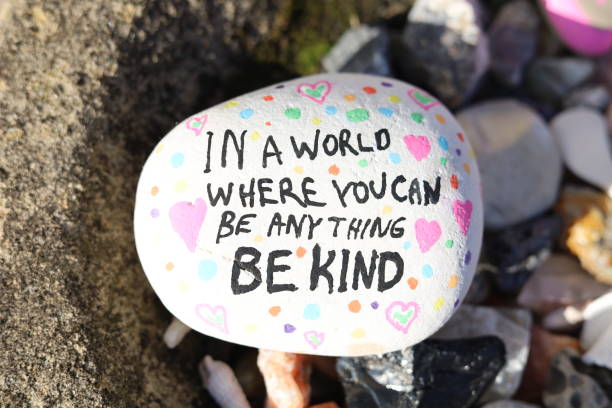
Our pedagogy does not shift for seasonal trends, commercialism, or external expectations. We remain guided by our Ways of Being and Doing, prioritising children’s agency, cultural safety, and meaningful encounters. Celebration becomes a living expression of who we are, not a departure from our everyday practice.
Families often hold beautiful memories of their own childhood celebrations, and we honour the emotion behind these traditions. Our role is to broaden understanding and share the “why” behind our approach. When families understand the intention behind our choices, celebration becomes a shared journey, rooted in relationship, respect, and the dignity of every child.
Commentary from Dr Gai Lindsay:
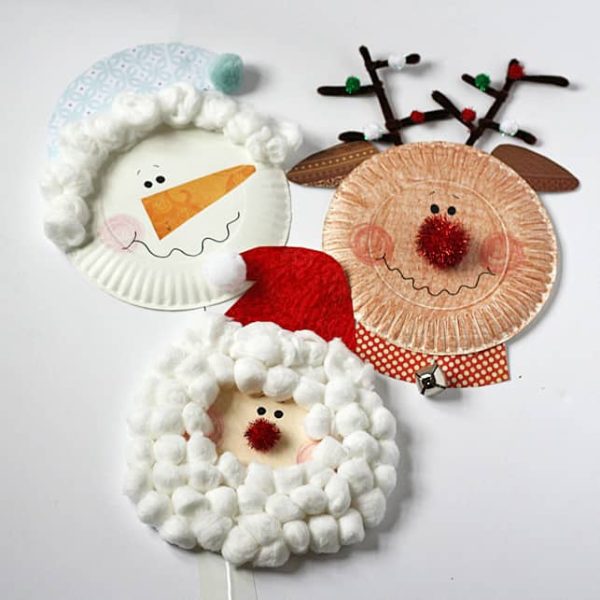
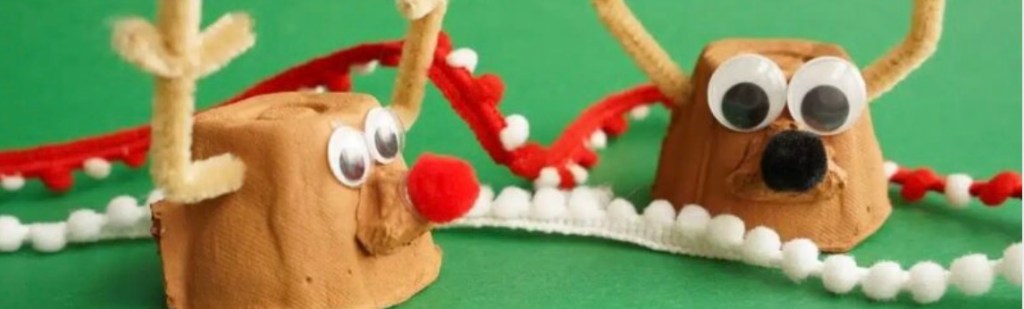
Across the sector, Christmas craft often becomes a space where adult expectations take centre stage. Templates, handprint reindeer, matching cards, and assembly-line ornament production may be well intentioned, but as both documents outline, these practices easily silence children’s voices.
They prioritise adult nostalgia, aesthetics, or the desire to provide a keepsake, rather than honouring children’s agency, creativity, or cultural identities. When educators interrupt deep play to have each child “make their gift,” it unintentionally communicates that the product is more important than the learning. And when every child produces the same thing, we risk presenting an image of children as compliant, incapable, or needing adult direction to create something of “value.”
This sits in stark contrast with the values embedded in the Early Years Learning Framework (Link toVersion 2) and in the Reggio Emilia educational project, where children are positioned as capable, competent, and brimming with ideas worth taking seriously. As Karina so beautifully expresses, children are thinkers, creators, and contributors. When the environment, materials and interactions genuinely honour this identity, children leave behind traces of their thinking, their questions, their cultural stories, and their unique ways of seeing the world. These traces are far richer and more meaningful than any structured activity could ever offer.
Natalie’s reflections highlight the heart of the issue: adult-led craft tends to be justified through the perspectives of adults…parents love it…educators love giving it…families expect it. Yet rarely do these justifications include the child’s perspective.
This should give us pause. If our pedagogical choices are grounded in children’s rights, voice, wellbeing, and engagement, then seasonal celebrations should remain consistent with our everyday practice – not an exception to it.
Celebration time should not be a departure from our core values and pedagogical approach. It is a spotlight on how we enact our core values and pedagogical approach.
Visual arts experiences, when grounded in process, exploration, and authentic expression, are powerful languages through which children make meaning. Seasonal celebrations can and should reflect the open-ended visual arts languages we implement all year.
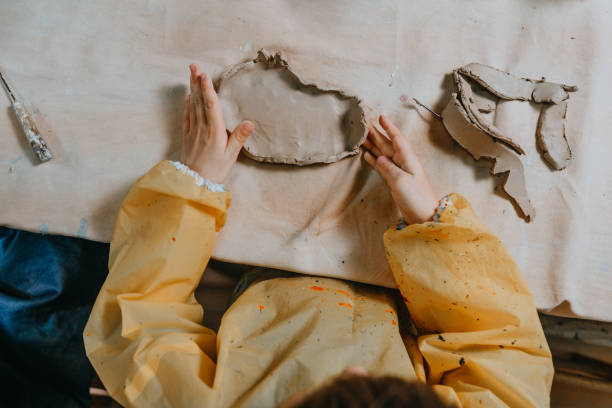
Imagine Christmas craft that emerges from children’s stories, questions, and investigations. Imagine gifts created through sustained art-making: drawing, painting, clay, construction, collage…each reflecting children’s deeply personal ideas, relationships, or acts of kindness. These would be gifts that hold integrity, not because they are cute, but because they carry the child’s voice and thinking.
And importantly, celebrations and the creation of seasonal artworks can extend beyond the typical production line altogether. Discussions about kindness, gratitude, justice, culture, generosity and connection offer far more enduring learning than any product-driven activity ever could. Children can engage in meaningful acts of giving, service or community care that align with the values of the festive period without being asked to reproduce identical artworks.
We must keep children at the centre, not only in December, but across all celebrations—Easter, Mother’s Day, Diwali, Lunar New Year, NAIDOC Week, Matariki, Eid, and beyond.
When we resist the pull of commercialised or traditional expectations and instead honour children’s agency, thinking, cultural identities – and children’s artistic processes – celebrations become authentic, respectful, and deeply meaningful. They become experiences children recognise as part of their story—not an adult’s script.
As educators, our responsibility is to articulate this clearly to families. When we share the “why” behind our decisions, families can appreciate the shift from product-line ‘cuteness’ to genuine expressions of children’s art play with authentic materials and processes – in essenece a shift from compliance to capability. In doing so, we strengthen children’s dignity, honour diversity, and stay true to our pedagogical commitments.
This is not only strong arts practice — it is strong pedagogy, ethics, and child‑honouring practice.
Provocations for Team Discussion & Reflection
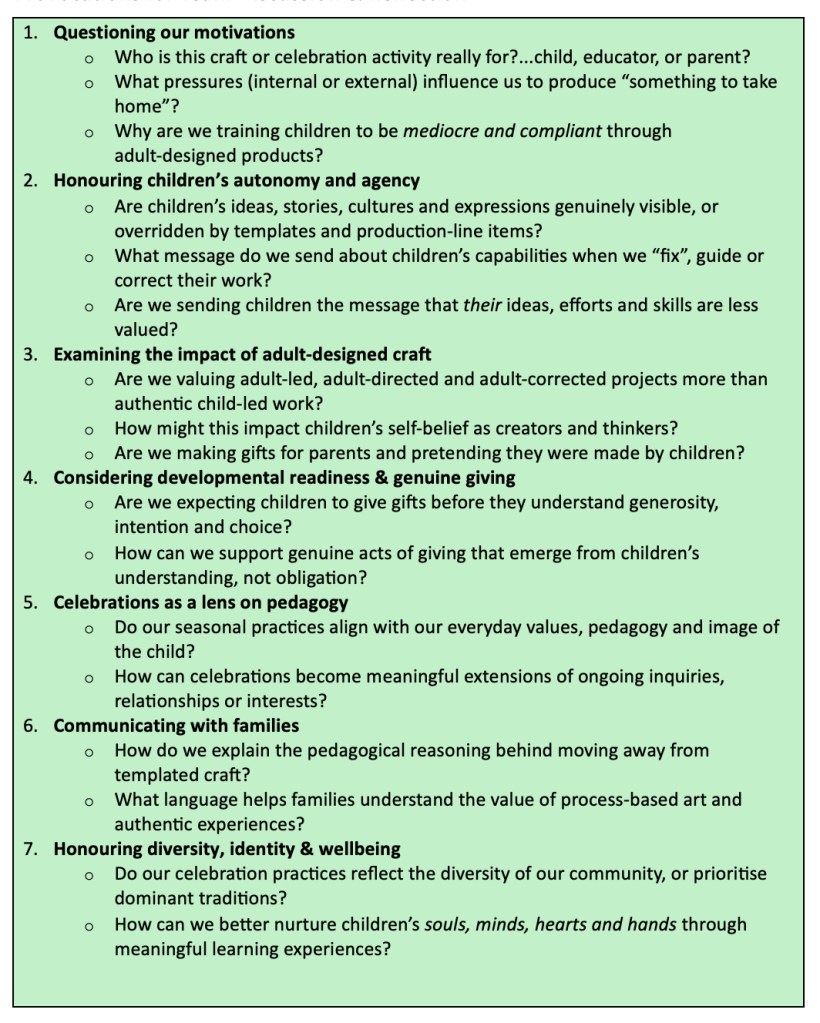
The following questions offer helpful discussion questions to raise and debate at team staff meetings. What pedagogical stance and policies will drive your seasonal decision making?
For further reflection and motivations for child-honouring seasonal responses link to the following blogs:
Pedagogy of Celebrations by Dr Red Ruby Scarlett
Please think before you do: Anzac Day – Semann & Slattery
Shared musings: Colouring-in, templates and worksheets in early childhood settings by Dr Gai Lindsay
Beyond Busywork: Why Stencils, Templates, and Worksheets Undermine Quality Visual Arts Practice in Early Childhood by Dr Gai Lindsay

